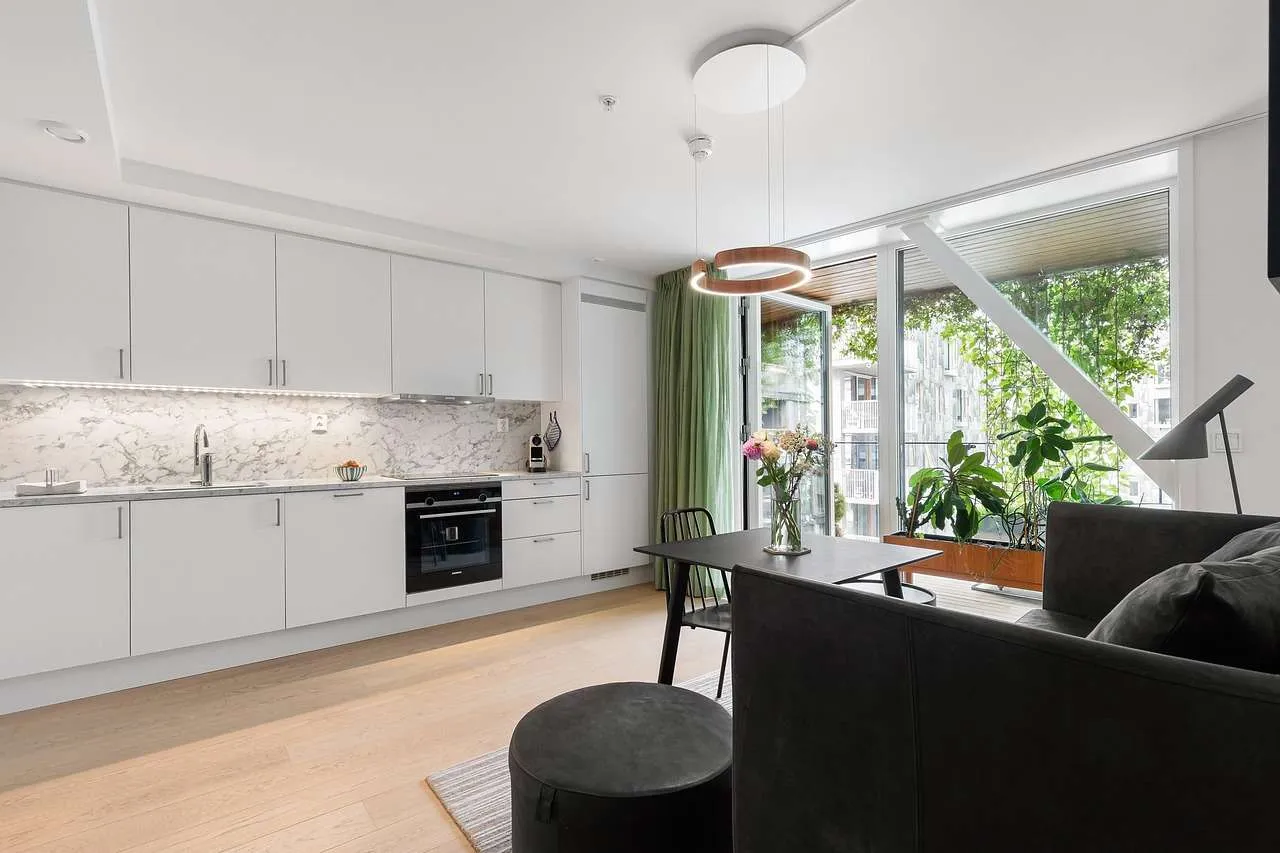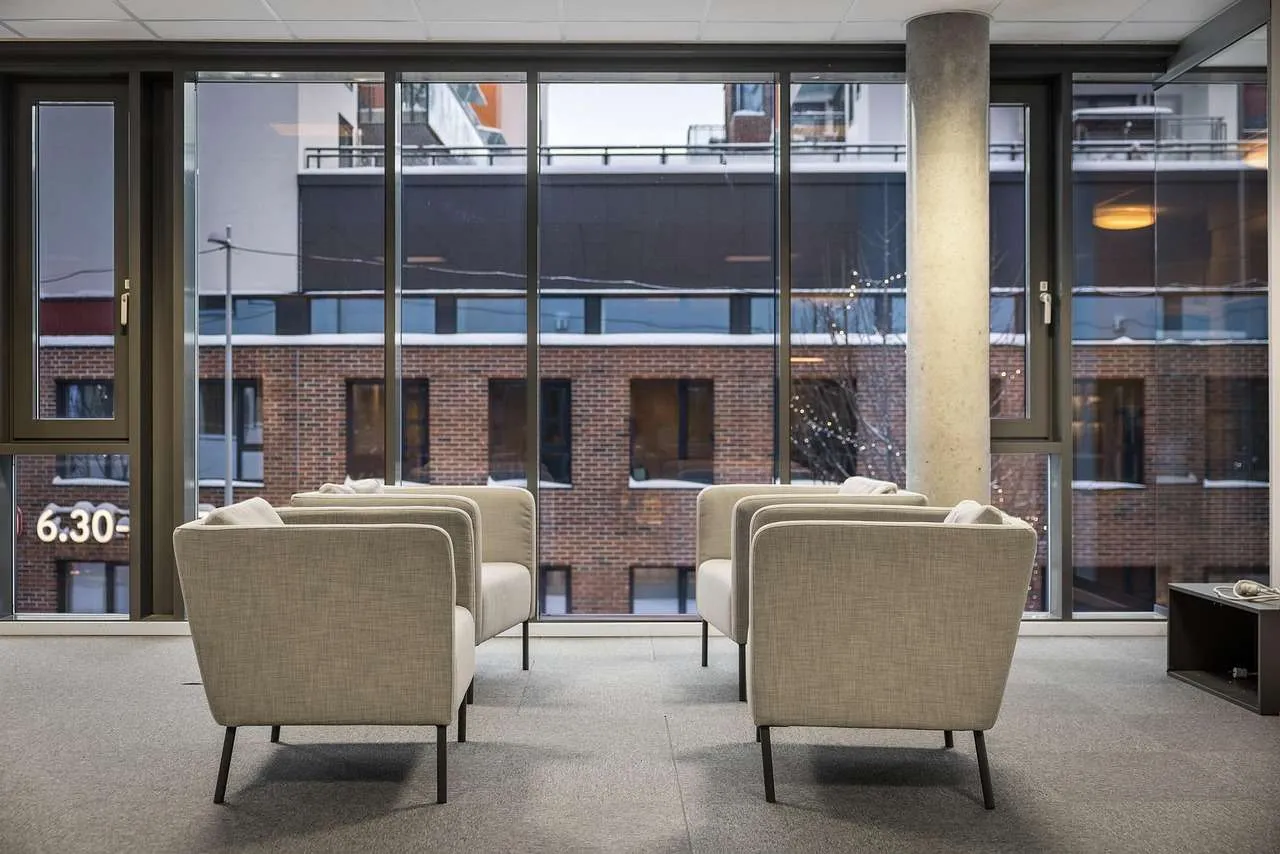
Window tint for home is a thin film applied to interior or exterior glass to control heat, glare, UV exposure, and privacy. When installed by trained professionals, it can significantly improve comfort, reduce energy bills, and protect furnishings. This guide covers what you need to know, including product types, selection criteria, installation options, and maintenance. It also reflects the EEAT principle by citing industry standards and recommending professional consultation.
Benefits of window tint for home
Window tint reduces solar heat gain and glare, blocks most UV rays, adds daytime privacy, and can help prevent fading of carpets and furniture. Some films also improve safety by holding shattered glass in place after impact. For homeowners, these benefits translate into cooler rooms in summer, less reliance on air conditioning, and a more comfortable living space. For energy-conscious households, the right tint complements energy-efficient windows and can contribute to lower utility bills over time.
Common types of window tint for home
Dyed films
Dyed films are the most budget-friendly option. They absorb heat and reduce glare while maintaining decent clarity. However, they can fade or discolor over time, and their heat performance is typically lower than metallic or ceramic options.
Metalized films
Metalized films reflect a portion of solar energy, offering strong heat rejection and improved shatter resistance. They can interfere with some electronics and may produce a visible “mirror” effect at certain angles, which can affect aesthetics and interior lighting.
Ceramic films
Ceramic films use non-conductive particles to reject heat without metal. They provide excellent heat and UV rejection, maintain clear visibility, and are less likely to interfere with electronics. They tend to be more expensive but offer superior performance and durability.
Carbon films
Carbon films deliver a matte, non-reflective appearance with good heat rejection and UV protection. They resist fading and are less prone to signal interference than metalized films, making them a popular choice for homes with smart devices and flat screens.
What to consider before buying window tint for home
- Visible light transmission (VLT) and the desired level of privacy: higher VLT means more natural light and less darkness.
- Local laws and HOA rules: many jurisdictions regulate tint darkness for residential windows, especially on street-facing panes.
- Window type and orientation: larger south- or west-facing windows may benefit more from high-heat-rejection films.
- Warranty and service: choose reputable brands with warranties and installers certified by manufacturers.
- Compatibility with existing window coatings and frames: ensure the film is suitable for your glass type and tempered or laminated panes.
Installation options
For best results, hire a professional installer who can ensure bubble-free application, precise edges, and proper sealing. DIY tinting is possible but requires careful surface preparation, steady hands, and a clean environment. Professional installation usually includes a warranty on the film and workmanship.
Cost, maintenance, and care
Home window tint costs vary by film type, size, and labor. Expect lower prices for basic dyed films and higher prices for ceramic or carbon films with superior performance. Typical installation ranges can be from a few hundred to a few thousand dollars depending on the home and windows. Maintenance is straightforward: clean with a non-ammonia cleaner and a soft cloth to avoid scratching the film. Avoid abrasive treatments and ensure periodic inspections for edges and seals.
Energy savings and safety considerations
Choosing the right tint can reduce cooling loads by limiting heat coming through glass and protecting interiors from UV fading. Most residential films reject 99%+ of UV rays and offer added safety by helping hold shattered glass together in case of impact. For EEAT, rely on installer certifications and product warranties to ensure quality workmanship and accountability.
Comparison of common window tint types
| Tint Type | Heat Rejection | UV Rejection | Visibility / Glare | Durability | Typical Price |
|---|---|---|---|---|---|
| Dyed | Medium | High | Moderate glare reduction | Low to Medium | Low |
| Metalized | High | High | Lower visibility; more glare at angles | High | Medium |
| Ceramic | Very High | Very High | Excellent visibility | Very durable | High |
| Carbon | High | High | Non-reflective, good visibility | High | Medium-High |
Takeaways for EEAT and best practices
To align with EEAT, rely on credible product manufacturers, board-certified installers, and transparent warranties. Compare multiple quotes, verify certifications, and review room-by-room requirements (sunlight, glare, and privacy). This approach helps establish expertise, trust, and authoritativeness for readers seeking reliable guidance on window tint for home.
Conclusion, window tint for home offers comfort, privacy, UV protection, and potential energy savings when chosen wisely and installed by qualified professionals. By understanding tint types, laws, and care, homeowners can improve living spaces while safeguarding investments in windows and interiors.